computer-architecture-register.html
* created: 2025-06-19T18:19
* modified: 2025-07-14T09:11
title
Register
description
Register are small memory units are commonly found inside the CPU.
The faculty of the CPU by which data or information is encoded, stored, and retrieved when needed.
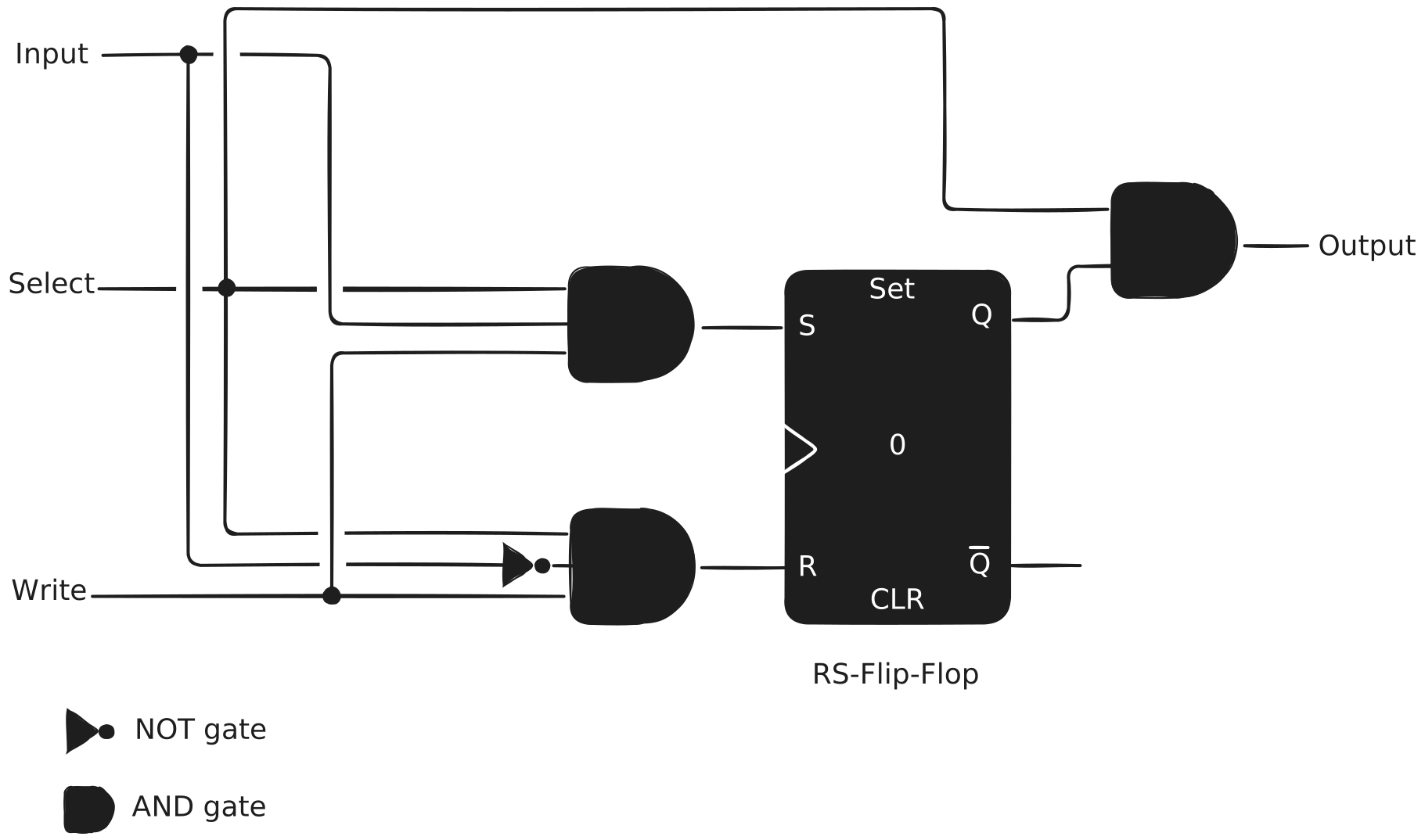
A register can store and output values. This is commonly done through 3 channel: Input, Select, and Write. These channel are connected to a each individual memory cell inside the register.
Each cell has it's own input channel, but the select and write channel are linked together; this is done because you generally want to write a entire 8 bit section of cells (one register) to represent some information.
8-Bit Register
Each memory cell can store 1 bit and consist of 3 separat channels (Read, Write and Select), which can be used to either set, reset or output a value.
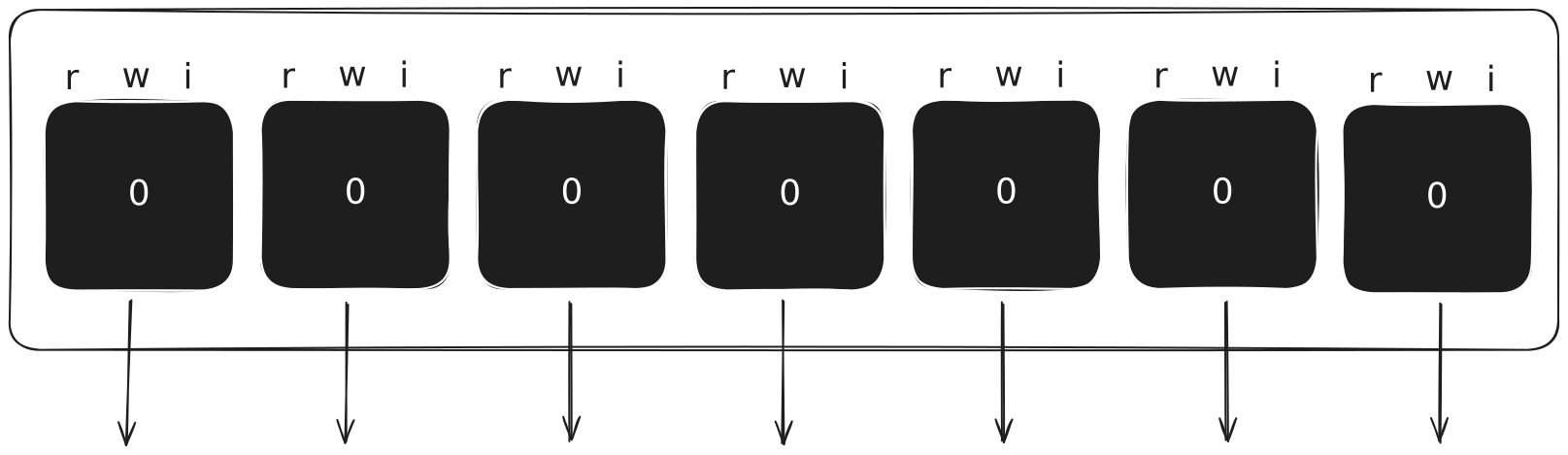
Simple Memory Cell
| Signal |
Meaning |
Value 0 Effect |
Value 1 Effect |
Analogy |
|